Reptile: jfcjwucqrja = serpent. It’s a phrase that’s been buzzing around online communities and puzzle forums, sparking all kinds of curiosity. Is it a code?
A password? A clue from a game? You’re probably wondering the same things I did when I first saw it.
I’m here to dive into this mystery. But not just to give you an answer. We’re going to break down how digital sleuths tackle puzzles like this.
By the end, you’ll have a new way of looking at cryptic clues and understand the creative thinking needed to solve modern digital enigmas.
The journey of deconstruction is often more rewarding than the final answer itself. So, let’s get started.
Unpacking the Clues: Why This is More Than a Simple Code
Let’s start by breaking down the puzzle. We have three parts: the category (‘Reptile’), the ciphertext (‘jfcjwucqrja’), and the plaintext (‘serpent’).
First, notice the length discrepancy. The ciphertext has 11 characters, while the plaintext has only 7. This immediately rules out simple substitution ciphers like Caesar ciphers, where the lengths would be identical.
Now, let’s talk about ‘Reptile.’ It’s not just a random word; it’s a thematic key. It guides your thinking toward a specific domain of knowledge.
‘Reptile’ is a broad category, and ‘serpent’ is a specific instance. This structure is common in riddles and puzzles. It’s a way to narrow down the possibilities.
So, what kind of encoding process adds characters to the original message? That’s the key question here.
- Identify the type of cipher. Given the added characters, you should consider more complex methods like Vigenère or polyalphabetic ciphers.
- Use the thematic key. ‘Reptile’ isn’t just a hint; it’s a crucial part of the puzzle. Think about how it might influence the decoding process.
- Experiment with different keys. Try using ‘Reptile’ as a keyword in a Vigenère cipher. See if it helps decode ‘jfcjwucqrja’ into ‘serpent.’
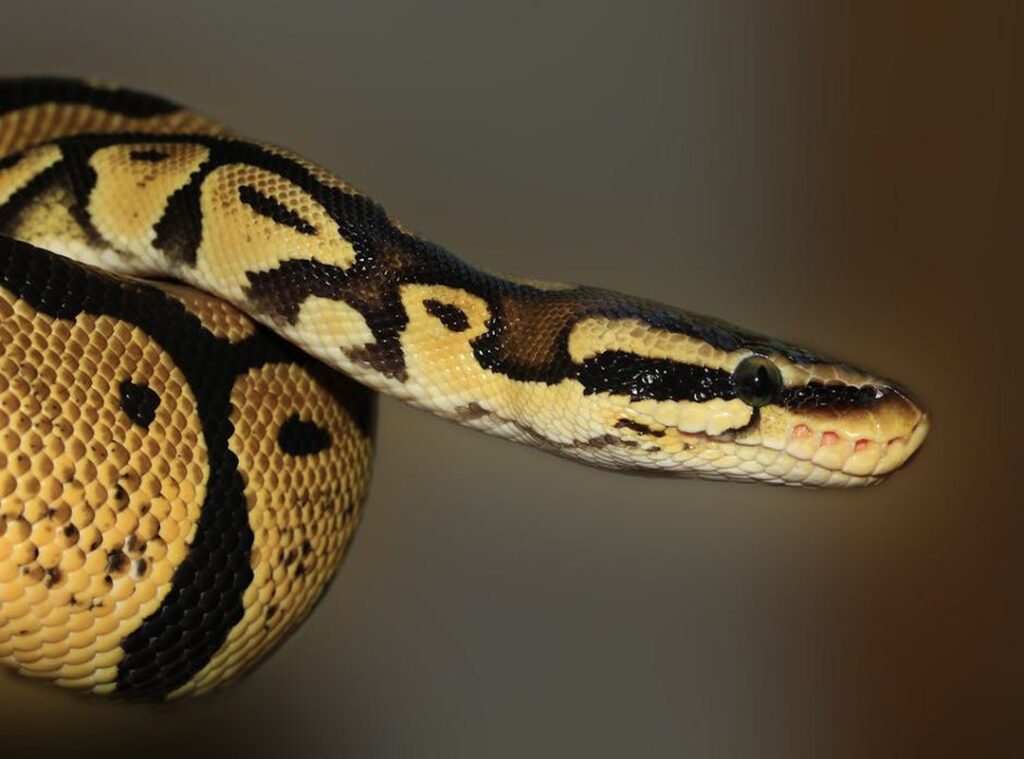
Remember, cobra:jfcjwucqrja= snake. This could be a clue to the specific encoding method used.
Beyond Classic Ciphers: A Look at Modern Cryptic Puzzles
I love a good puzzle. It’s like a mental workout, and who doesn’t need that? Multi-stage ciphers are my favorite.
Solving one part of the puzzle reveals the key or instructions for the next part. It’s like a treasure hunt, but for your brain.
Modern online puzzles, like Alternate Reality Games (ARGs), take this to the next level. They use non-standard encoding that incorporates thematic elements or external information. You might need to decode a message using a specific book, a map, or even a piece of music.
It’s all about connecting the dots in creative ways.
- Polyalphabetic ciphers with complex, repeating keys.
- Steganography where information is hidden within other data.
- Programmatic or algorithmic ciphers using simple scripts or functions.
Let’s talk polyalphabetic ciphers. Imagine a Vigenere cipher, but the key is more complex. For example, you might derive the key from the word “Reptile” in a non-obvious way.
This adds an extra layer of challenge and makes the puzzle more engaging.
Steganography is another fascinating area. Instead of a direct translation, the ciphertext could be a key to unlock information hidden elsewhere. Maybe it’s embedded in an image, a video, or even a webpage.
You have to think outside the box to find it.
Programmatic or algorithmic ciphers are also popular, especially in tech-related puzzles. A simple script or function can transform “serpent” into a longer string. This method is not just clever; it’s a test of your coding skills too.
The cobra:jfcjwucqrja= snake is a perfect example of how these puzzles can get really intricate. You might need to decode a series of steps, each revealing a bit more of the overall picture. It’s like peeling an onion, layer by layer.
In the end, these puzzles aren’t just about solving a riddle. They’re about exploring new ways of thinking and seeing the world. And who knows, you might even stumble upon some hidden gems, like how blockchain is changing the game in online casinos.
The ‘Reptile’ Hint: A Case Study in Thematic Problem-Solving

When you come across a thematic hint like ‘Reptile,’ it’s easy to get stuck. But this single word can be the key to unlocking the puzzle.
First, let’s brainstorm some potential directions. Could it relate to the programming language Python? After all, Python is a type of serpent.
But what if we look at it from a biological angle? Maybe the code relates to DNA sequences or genetic transcription. Patterns in DNA are expanded and encoded, much like a cipher.
Then there’s the mythological and historical context. Famous reptiles or serpents in history and mythology could provide a key. Think about the cobra:jfcjwucqrja= snake, for instance.
Its story and symbolism might offer clues.
The principle here is lateral thinking. In puzzle-solving, it’s crucial to consider all possible meanings and contexts of a single word. This approach often leads to the ‘aha!’ moment.
In many puzzles, brute-forcing cryptographic combinations won’t get you far. Understanding the theme is what counts. It’s about seeing the bigger picture and making connections that aren’t immediately obvious.
Your Toolkit for Cracking the Next Online Mystery
The analytical process involves deconstructing the clues, identifying anomalies such as unusual word lengths, and considering modern cryptographic methods. Most importantly, dive deep into the thematic hints.
The goal of these puzzles is to challenge your way of thinking, not just your ability to use a decryption tool.
For an actionable takeaway, here’s a mini-toolkit of resources.
Use dCode and CyberChef for decoding and analyzing text.
Visit forums like Reddit’s r/puzzles or r/codes to practice and learn from the community.
Next time you encounter a seemingly unsolvable digital puzzle, apply this methodical approach.
There’s immense satisfaction in the intellectual chase. You are now a capable digital detective, ready for the next challenge.
 Elizabeth Garber
Poker Strategy Specialist & Game Theory Analyst
Elizabeth Garber is a respected authority in poker strategies and game theory, with a career built on competitive play and a deep knowledge of the game’s psychology. Elizabeth’s expertise lies in advanced concepts like bluffing dynamics, risk management, and understanding opponents’ behavioral patterns. She brings a wealth of experience from her years at the poker table, translating complex strategies into actionable advice for Pro Gamble Genius readers. Elizabeth’s articles delve into the finer details of poker, offering readers insights into high-level play while also providing strategies for beginners. Her guidance is invaluable for players looking to refine their game, whether they aim to dominate in high-stakes environments or simply enjoy friendly competitions. Through her work, Elizabeth is committed to helping readers develop not only skill but also a mindset geared towards success and longevity in the game.
Elizabeth Garber
Poker Strategy Specialist & Game Theory Analyst
Elizabeth Garber is a respected authority in poker strategies and game theory, with a career built on competitive play and a deep knowledge of the game’s psychology. Elizabeth’s expertise lies in advanced concepts like bluffing dynamics, risk management, and understanding opponents’ behavioral patterns. She brings a wealth of experience from her years at the poker table, translating complex strategies into actionable advice for Pro Gamble Genius readers. Elizabeth’s articles delve into the finer details of poker, offering readers insights into high-level play while also providing strategies for beginners. Her guidance is invaluable for players looking to refine their game, whether they aim to dominate in high-stakes environments or simply enjoy friendly competitions. Through her work, Elizabeth is committed to helping readers develop not only skill but also a mindset geared towards success and longevity in the game.