What makes a simple photograph transform into a piece of fine art? It’s a question that’s puzzled and fascinated me for years.
Enter miraliszt nudes. This contemporary artist is redefining the boundaries of artistic photography with a unique vision. Their work isn’t just about capturing moments; it’s about telling stories.
The emotional depth in their photographs is striking. Each image feels like a window into a deeper, more intimate world. You can almost feel the emotions radiating from the subjects.
This article aims to dissect the distinct style, recurring themes, and technical mastery that make Miraliszt’s photography unforgettable. We’ll explore how they blend surrealism and raw human emotion to create something truly captivating.
So, why does their work stand out? Let’s dive in and find out.
Defining the Miraliszt Style: Beyond the Snapshot
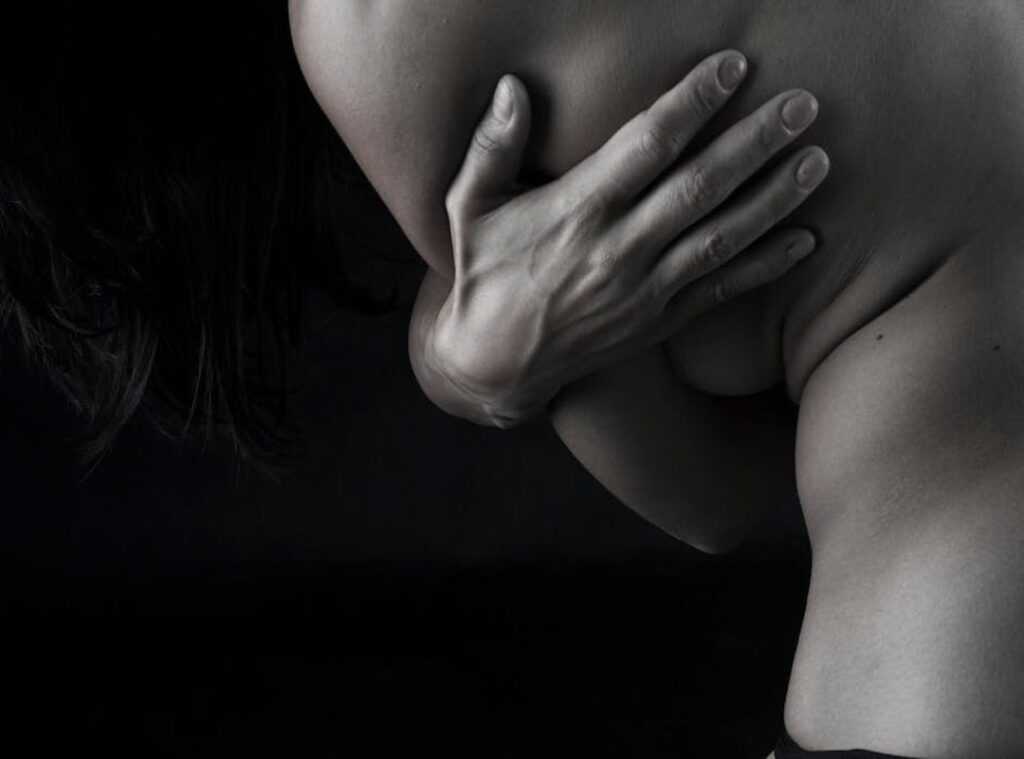
When you look at a Miraliszt photograph, it’s like stepping into another world. The use of light and shadow, or chiaroscuro, is a key element. It sculpts the subjects, making them almost three-dimensional.
The shadows are deep and rich, creating a mood that’s both mysterious and intimate. You can almost feel the texture of the scene.
Miraliszt often uses a desaturated color palette. This gives their work a timeless, almost dreamlike quality. But don’t think it’s all about muted tones.
They strategically place pops of color to draw your eye exactly where they want it.
Composition in Miraliszt’s work is anything but ordinary. They use negative space to create a sense of isolation and focus. Unconventional framing and leading lines add visual tension, guiding your eye through the image.
Each photograph feels like a single, compelling frame from a larger story. There’s always a narrative quality, making you wonder what happened before and after the shot.
Take, for example, one of their more famous works, The Lighthouse. The lighthouse stands tall against a stormy sky, with a single beam of light cutting through the darkness. The use of chiaroscuro and the desaturated blues and grays make the scene feel both ancient and immediate.
Another iconic piece, The Window, features a solitary figure gazing out into the night. The window frame acts as a natural leading line, and the soft, diffused light creates a serene yet melancholic atmosphere.
Miraliszt also blends influences from classical painting with modern photographic techniques. This fusion results in a style that’s both timeless and contemporary. For instance, their miraliszt nudes are reminiscent of Renaissance art, with a focus on form and emotion, yet they are captured with the precision and clarity of modern photography.
In every image, there’s a balance between the old and the new. It’s this blend that makes Miraliszt’s work so captivating.
Key Themes and Subjects in Miraliszt’s Portfolio
Miraliszt’s work is a deep dive into the human psyche. Solitude and identity are central themes, often explored through lone figures in expansive landscapes. These images make you pause and reflect on your own place in the world.
The passage of time is another recurring theme. You see it in the way light shifts across a scene or in the subtle aging of a subject’s face. It’s a reminder that everything is fleeting.
Miraliszt nudes, for instance, capture the raw, unfiltered essence of their subjects. The vulnerability in these intimate portraits is palpable. They reveal more than just skin; they show the soul.
Symbolism is woven into the imagery with motifs like mirrors, water, and birds. Mirrors, for example, often symbolize self-reflection and duality. Water can represent both life and the flow of time.
These elements add layers of meaning to the photographs.
The emotional impact of these themes resonates deeply. They tap into universal feelings of isolation, self-discovery, and the inexorable march of time. Viewers find themselves drawn in, seeing a bit of their own experiences reflected back at them.
In contrast, conventional photography often focuses on more straightforward, documentary-style storytelling. Miraliszt’s approach is more abstract and introspective, making their work stand out.
The combination of these themes and subjects creates a cohesive and recognizable body of work. Each photograph feels like a part of a larger narrative, inviting viewers to explore and connect on a deeper level.
If you’re looking for more insights into unique artistic perspectives, check out Progamblegenius.
The Techniques Behind the Art: How Miraliszt Creates

Miraliszt nudes are a testament to their unique and captivating style. They use wide-angle lenses for that dramatic distortion, making every shot feel expansive and immersive.
Prime lenses also play a big role in their work. These lenses offer sharp detail, which is crucial for capturing the intricate textures and expressions of their subjects.
When it comes with lighting, they’re not just relying on natural light. Sure, they know how to make the most of what’s available, but they also masterfully manipulate studio strobes. This creates a dynamic range of moods and atmospheres.
Light painting is another technique they might use. It adds an ethereal, almost otherworldly quality to their images.
Post-processing is where the magic really happens. Their color grading is impeccable, often leaning towards rich, deep tones that set the mood. Texture overlays and meticulous dodging and burning enhance the final image, making it feel almost three-dimensional.
Every element in their photos is intentional. From the subject’s pose to the choice of background, everything serves the overall narrative.
They’re known for some experimental processes too. In-camera multiple exposures and intentional camera movement add a layer of creativity and unpredictability.
Mixed-media approaches can also be part of their toolkit. Combining different mediums and techniques pushes the boundaries of traditional photography.
In the end, it’s all about creating something that stands out. Something that makes you pause and think.
The Enduring Impact of Miraliszt’s Photography
Miraliszt’s work challenges viewers and pushes the boundaries of photography as a legitimate and powerful art form. Their images are not just seen; they are felt, inviting deep reflection and emotional engagement.
Miraliszt nudes are a testament to their ability to blend narrative depth with technical precision. This fusion creates a profound emotional honesty that resonates with audiences.
Their growing influence on a new generation of aspiring artistic photographers is evident. Miraliszt’s unique style and approach have become a cornerstone in the contemporary art conversation.
Miraliszt’s work is significant for its ability to leave a lasting impression, one that lingers long after the initial viewing. It encourages a deeper understanding of the human experience and the power of visual storytelling.
Revisit Miraliszt’s portfolio with a newly informed eye, actively looking for the themes and techniques discussed here.
 Elizabeth Garber
Poker Strategy Specialist & Game Theory Analyst
Elizabeth Garber is a respected authority in poker strategies and game theory, with a career built on competitive play and a deep knowledge of the game’s psychology. Elizabeth’s expertise lies in advanced concepts like bluffing dynamics, risk management, and understanding opponents’ behavioral patterns. She brings a wealth of experience from her years at the poker table, translating complex strategies into actionable advice for Pro Gamble Genius readers. Elizabeth’s articles delve into the finer details of poker, offering readers insights into high-level play while also providing strategies for beginners. Her guidance is invaluable for players looking to refine their game, whether they aim to dominate in high-stakes environments or simply enjoy friendly competitions. Through her work, Elizabeth is committed to helping readers develop not only skill but also a mindset geared towards success and longevity in the game.
Elizabeth Garber
Poker Strategy Specialist & Game Theory Analyst
Elizabeth Garber is a respected authority in poker strategies and game theory, with a career built on competitive play and a deep knowledge of the game’s psychology. Elizabeth’s expertise lies in advanced concepts like bluffing dynamics, risk management, and understanding opponents’ behavioral patterns. She brings a wealth of experience from her years at the poker table, translating complex strategies into actionable advice for Pro Gamble Genius readers. Elizabeth’s articles delve into the finer details of poker, offering readers insights into high-level play while also providing strategies for beginners. Her guidance is invaluable for players looking to refine their game, whether they aim to dominate in high-stakes environments or simply enjoy friendly competitions. Through her work, Elizabeth is committed to helping readers develop not only skill but also a mindset geared towards success and longevity in the game.